
SWPPP Inspection Services in Texas
Professional SWPPP inspections for construction and industrial sites across Texas. Stay compliant, avoid costly violations, and keep your project moving.
- TCEQ-Compliant Inspections
- Weekly SWPPP Inspections
- Detailed Reports Delivered Same Day
- Protect Your Project & Your Bottom Line
TCEQ Compliant
Construction & Industrial Coverage
Same Day Report Delivery
Statewide Texas Coverage
What is a SWPPP Inspection?
A SWPPP inspection is a documented evaluation of a construction site or industrial facility to verify compliance with stormwater regulations and permit requirements.
SWPPP inspections help ensure that erosion controls, sediment controls, pollution prevention measures, and Best Management Practices (BMPs) are functioning properly.
Inspections are a required component of both:
- Construction SWPPP compliance (TXR150000)
- Industrial SWPPP compliance (TXR050000 / MSGP)
Failure to conduct required inspections can result in violations, fines, and enforcement actions.
- Infrastructure projects
- Oil & Gas Projects
- Data Centers
- Projects disturbing 1 acre or more
Who Needs SWPPP Inspections?
- General contractors
- Land developers
- Home builders
- Utility contractors
- Industrial facilities
- Manufacturing operations
- Distribution centers
- Municipal projects
Key Differences
| Feature | Construction SWPPP | Industrial SWPPP |
|---|---|---|
|
Permit |
TXR 150000 |
TXR 050000 / MSGP |
|
Focus |
Sediment and Erosion |
Chemical & Industrial Pollutants |
|
Duration |
Temporary (during construction) |
Ongoing (facility operations) |
|
Inspections |
Frequent (7-14 Days) |
Routine + Monitoring (Quarterly, Bi Annual, Annual) |
|
Sampling |
Generally Not Required |
Required in most cases |
Construction vs Industrial SWPPP Inspections
Construction SWPPP Inspections (TXR150000)
- Focus on erosion and sediment controls
- Required every 7 or 14 days
- Rainfall event inspections sometimes required
- Temporary compliance program
- Supports active construction projects

Industrial SWPPP Inspections (TXR050000 / MSGP)
- Focus on pollutant exposure
- Routine facility inspections
- Supports benchmark monitoring programs
- Ongoing compliance requirements
- Includes housekeeping and spill prevention reviews

Missing inspections is one of the most common causes of TCEQ and EPA stormwater violations.
What’s Included in a SWPPP Inspection?
Construction Inspection Items
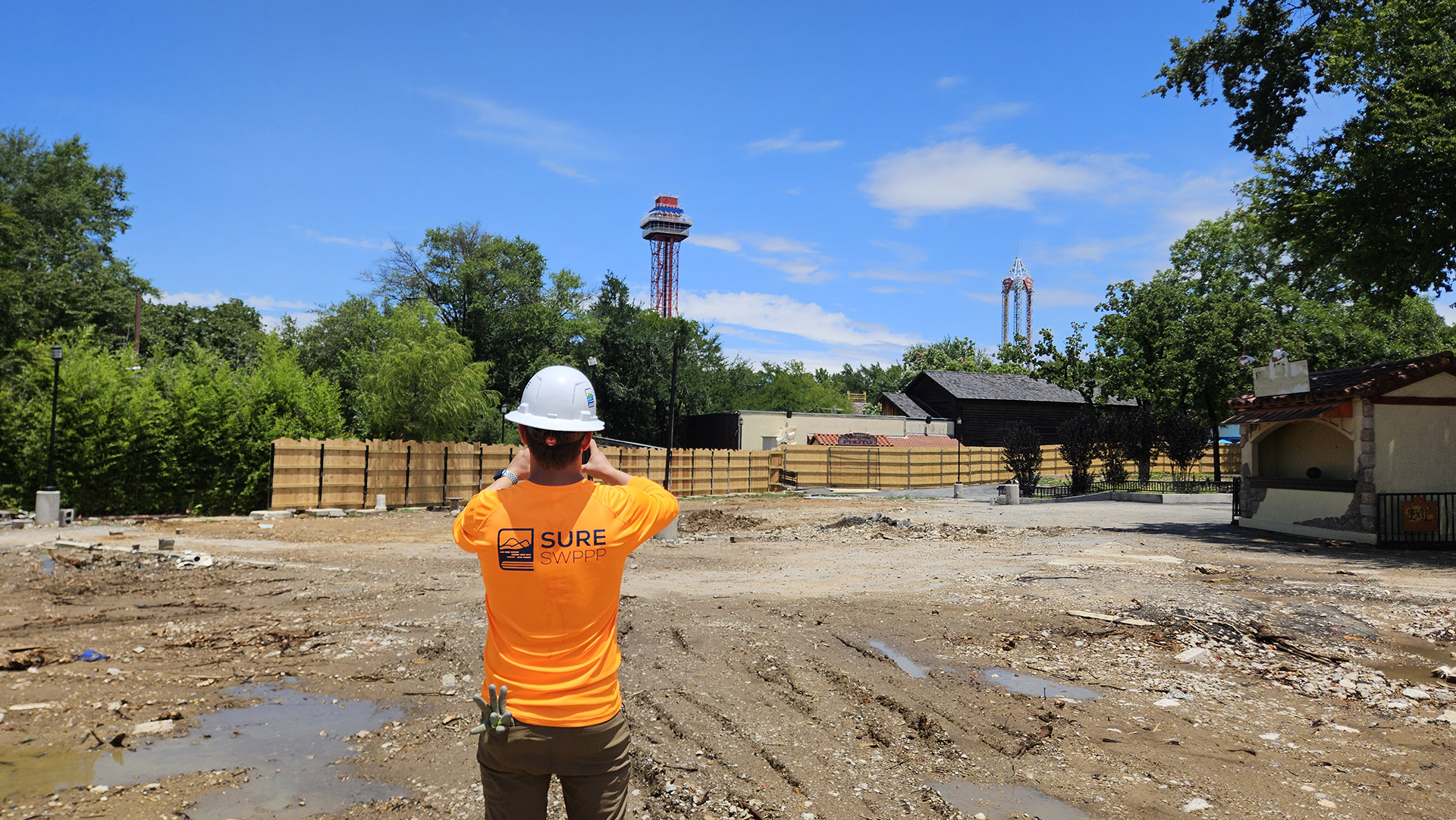
- Silt Fence evaluation
- Inlet protection review
- Stabilized entrance inspections
- Sediment tracking assessment
- BMP functionality review
- Site stabilization verification
Industrial Inspection Items

- Material storage review
- Spill prevention controls
- Secondary containment inspections
- Stormwater outfall review
- Housekeeping evaluations
- Monitoring documentation review
Our SWPPP Inspection Process

Site Walkthrough
Inspect all construction stormwater BMPs and structural controls.

BMP Evaluation
Assess all erosion, sediment, and pollution prevention controls.

Documentation & Photos
Document findings with photographs and SWPPP inspection reports.

Corrective Actions
Identify any SWPPP deficiencies and recommend corrective actions.

ComplianceSupport
Help maintain SWPPP compliance throughout the project lifecycle.
How often are SWPPP Inspections Required?
To remain compliant under TXR150000, projects typically must:
Construction SWPPP Inspections (TXR150000)
Most construction projects require inspections:
- Every 7 days, OR
- Every 14 days AND after qualifying rain event.
Inspection frequency depends on permint requirements and project conditions.
Industrial Facilities
Industrial facilities commonly require:
- Routine monthly inspections
- Quarterly facility evaluations & assessments
- Semi-Annual sampling and analysis
- Annual comprehensive inspections and review
Requirements vary by industrial sector and permit coverage.
SWPPP Inspection Cost in Texas

Small Sites
$125 – $250 Per inspection
Large Projects
$250 – $500 Per inspection
Very Large / Remote Projects
$500+ Per inspection
Costs vary based on site size, project duration, travel requirements, inspection frequency, and reporting requirements.
Discounted rates available for areas with multiple locations.
Common BMPs include:
- Missing SWPPP Reports
- Incomplete Reports
- Failed BMPs
- Sediment escaping site
- Unstabilized areas
- Missing Documentation
- Poor Housekeeping
- Outdated SWPPP Book
Many enforcement actions occur not because BMPs are missing – but because documentation and inspections are incomplete.
Why Professional SWPPP Inspections Matter
- Reduce compliance risk and avoid costly violations
- Identify issues before they become enfocement problems
- Improve documentation quality and defensibility
- Protect schedules and prevent delays
- Provide credible records during regulatroy reviews
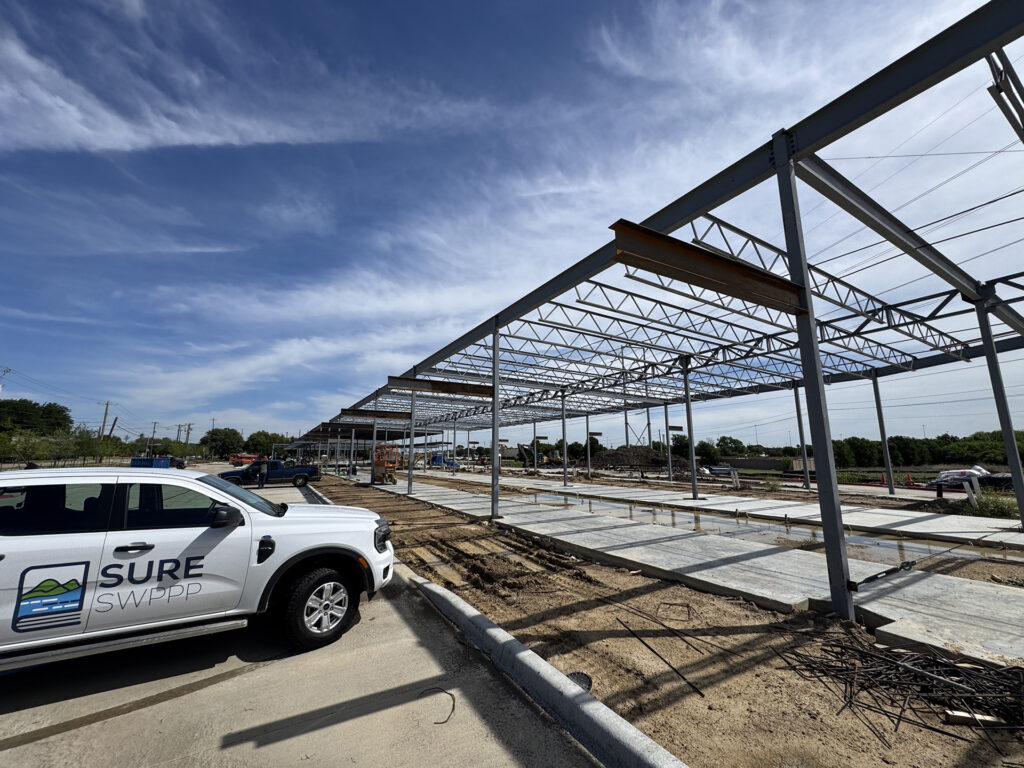
Frequently Asked Questions
How often are SWPPP inspections required to be performed?
Construction SWPPP inspections in Texas are typically required every 7 days, or every 14 days plus after qualifying rainfall events, depending on the inspection schedule selected under the TCEQ Construction General Permit (TXR150000).
Industrial facilities operating under TXR050000 or the EPA Multi-Sector General Permit (MSGP) generally require:
- Routine facility inspections
- Quarterly visual assessments
- Benchmark monitoring reviews
- Stormwater sampling evaluations
Inspection frequency varies based on permit requirements, facility type, and project conditions.
Who can perform SWPPP inspections?
SWPPP inspections should be conducted by a qualified individual familiar with stormwater regulations, Best Management Practices (BMPs), erosion and sediment controls, and permit requirements.
Inspections may be performed by:
- Trained site personnel
- Environmental compliance professionals
- Third-party SWPPP consultants
- Qualified stormwater inspectors
The individual conducting inspections should be capable of identifying deficiencies, documenting findings, and recommending corrective actions.
What does a SWPPP inspection include?
A SWPPP inspection evaluates site conditions, stormwater controls, and permit compliance requirements.
Typical inspection items include:
Construction Sites
- Silt fence
- Inlet protection
- Stabilized construction entrances
- Sediment controls
- Track-out controls
- Temporary stabilization measures
Industrial Facilities
- Material storage areas
- Spill prevention controls
- Secondary containment systems
- Stormwater outfalls
- Housekeeping practices
- Monitoring documentation
Most inspections include photographs, written observations, and corrective action recommendations.
Are Rain Event Inspections Required?
For many construction projects, yes.
Under TXR150000, projects using the 14-day inspection schedule must also conduct inspections following qualifying rainfall events.
Rain event inspections help verify:
- BMP functionality
- Erosion control effectiveness
- Sediment containment
- Stormwater discharge conditions
Failure to perform required rain event inspections is a common compliance issue.
What happens if I miss a SWPPP inspection?
Missing a required SWPPP inspection can result in:
- Permit violations
- TCEQ enforcement actions
- EPA enforcement actions
- Increased regulatory scrutiny
- Project delays
- Potential fines and penalties
Inspection records are a required component of permit compliance. During an audit or investigation, missing inspections can be viewed as evidence of inadequate compliance management.
Maintaining a consistent inspection schedule is one of the most effective ways to reduce compliance risk.
What Are the Most Common SWPPP Inspection Violations?
Some of the most common inspection-related violations include:
- Missing inspections
- Incomplete inspection reports
- Failed or damaged BMPs
- Sediment leaving the site
- Poor housekeeping practices
- Missing corrective action documentation
- Outdated SWPPP records
Many enforcement actions stem from documentation deficiencies rather than catastrophic environmental impacts.
Do Industrial Facilities Need SWPPP Inspections?
Yes.
Industrial facilities operating under TXR050000 or MSGP coverage are generally required to perform routine inspections as part of their Storm Water Pollution Prevention Plan.
These inspections typically evaluate:
- Industrial activity exposure
- Material storage practices
- Spill prevention measures
- Stormwater outfalls
- Housekeeping conditions
- Monitoring requirements
Inspection requirements vary by industrial sector and permit coverage.
What Is the Difference Between Construction and Industrial SWPPP Inspections?
Construction inspections focus primarily on:
- Erosion controls
- Sediment controls
- BMP installation and maintenance
- Site stabilization
Industrial inspections focus primarily on:
- Pollutant exposure
- Material storage
- Spill prevention
- Outfall conditions
- Monitoring and sampling requirements
Although both support stormwater compliance, they serve very different regulatory objectives.
Why Should I Hire a Third-Party SWPPP Inspector?
A third-party inspector provides an independent evaluation of site conditions and permit compliance.
Benefits include:
- Reduced compliance risk
- Consistent documentation
- Objective observations
- Early identification of deficiencies
- Improved defensibility during audits or investigations
Many contractors and facility operators use third-party inspections to supplement internal compliance efforts.
Can you help if I am out of compliance?
Yes.
Many projects contact us after discovering:
- Missed inspections
- Failed BMPs
- Incomplete documentation
- Sediment leaving the site
- Outdated SWPPP records
We can help identify deficiencies, recommend corrective actions, update documentation, and establish procedures to restore compliance.
The sooner compliance issues are addressed, the easier they are to correct.
What Documentation Is Generated During an Inspection?
A professional SWPPP inspection typically includes:
- Inspection checklist
- Written observations
- Photographic documentation
- Corrective action recommendations
- Compliance notes
- Inspection certification
These records become part of the project’s official stormwater compliance documentation and should be maintained in accordance with permit requirements.
How much do inspections cost?
SWPPP inspection costs vary based on:
- Site size
- Project complexity
- Travel requirements
- Inspection frequency
- Reporting requirements
Typical pricing ranges include:
- Small sites: $125–$250 per inspection
- Medium projects: $250–$500 per inspection
- Large or remote projects: $500+ per inspection
Recurring inspection programs are often available at reduced rates.



Need a SWPPP Inspection today? Let's talk about it!
Serving Contractors in Texas
SWPPP Inspection Services Throughout Texas
Whether your project requires routine weekly inspections, rain event inspections, or ongoing compliance documentation, Sure SWPPP provides professional SWPPP inspection services throughout Texas. Our inspectors understand local construction practices, TCEQ requirements, and the documentation needed to keep projects moving while maintaining compliance with the TXR150000 Construction General Permit.
Explore our local service pages to learn more about permit requirements, inspections, and stormwater compliance in your area.

Fort Worth SWPPP Inspections
From large residential developments in North Fort Worth to commercial projects throughout Tarrant County, our inspectors provide timely SWPPP inspections, detailed reports, and practical compliance recommendations that help contractors stay ahead of potential issues before they become costly violations.

Dallas SWPPP Inspections
Construction projects throughout Dallas often involve complex urban development and fast-paced schedules. Our team performs professional SWPPP inspections, documents BMP conditions, identifies deficiencies, and provides clear recommendations to help maintain compliance throughout every phase of construction.

Austin SWPPP Inspections
Austin’s rapid growth and environmentally sensitive watersheds make consistent stormwater inspections especially important. We help builders and developers remain compliant through routine inspections, rain event inspections, detailed reporting, and practical stormwater compliance support.

HoustonSWPPP Inspections
Frequent rainfall and large-scale commercial development throughout the Houston area require proactive stormwater management. Our inspectors help contractors identify potential compliance issues early while maintaining complete inspection records and supporting ongoing permit compliance.

Arlington SWPPP Inspections
As our home market, Arlington allows us to provide rapid response inspections, flexible scheduling, and ongoing compliance support for projects of every size. We regularly assist contractors with routine inspections, documentation, BMP evaluations, and corrective action recommendations.

View All Service Areas
Sure SWPPP proudly provides Construction SWPPP inspections throughout Texas. Whether your project is located in a major metropolitan area or a growing rural community, our experienced inspectors deliver reliable stormwater compliance services designed to keep your project moving forward.
Need reliable SWPPP Inspections?
Stay compliant, protect your project, and avoid costly violations with professional SWPPP inspections throughout Texas.